Personal FinanceGuide
Identity Theft: First Steps to Take Right Away
If someone used your personal information, act in order: report at IdentityTheft.gov, place a fraud alert or freeze, check your accounts and keep records.
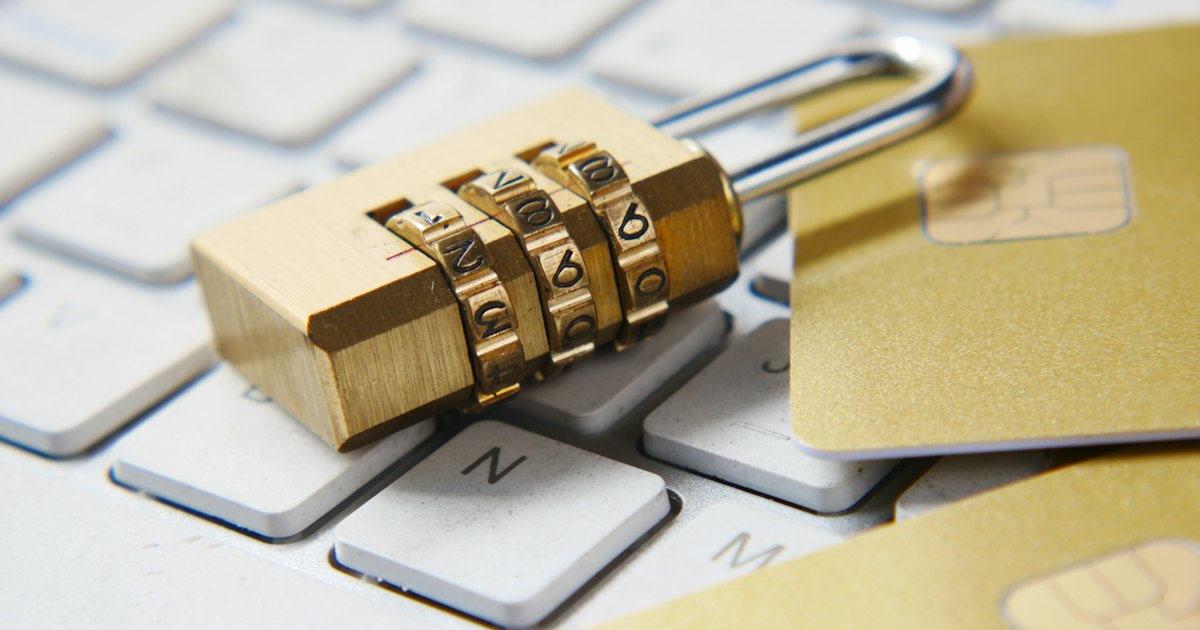
Photo by Towfiqu barbhuiya on Unsplash
This article is for general information. Figures and examples are illustrative and can change; check the linked sources before making decisions.
Short answer: if you think someone is using your identity, act in this order: contact the affected companies, put a fraud alert or credit freeze in place, report the theft to the FTC at IdentityTheft.gov, and keep a written record of everything you do.
Step by step
- Contact the companies involved (bank, card issuer, retailer). Tell them an account is fraudulent and ask to close or freeze it.
- Place a fraud alert or credit freeze. - An initial fraud alert lasts one year and can be renewed; it requires businesses to check with you before opening new credit. You place it with one bureau, which tells the other two. - A credit freeze is free and stops new accounts from being opened in your name; it lasts until you lift it. See our freeze guide. - An extended fraud alert lasts seven years and requires an identity theft report.
- Report at IdentityTheft.gov, the FTC's site. It helps build a report and a recovery plan.
- Review your credit reports for accounts you don't recognize.
- Change passwords and turn on two-factor authentication on key accounts.
- Keep records: dates, names, reference numbers and copies of what you send.
Watch for follow-up problems
Depending on what was stolen, you may also need to contact other agencies or organizations. IdentityTheft.gov walks you through options based on your situation.
What to avoid
- Don't pay anyone who promises to "fix" identity theft for a fee before checking they are legitimate.
- Don't share new personal details with an unexpected caller who says they are helping you.
Keep a recovery log
Recovering from identity theft involves many phone calls. Write down, for each one: date, company, the person's name, a reference number and what was agreed. Follow up in writing when possible and keep copies. A simple table in a notebook or spreadsheet is enough.
What to have ready
- Your Social Security number and the personal details tied to the affected accounts
- Recent statements showing the unfamiliar charges
- Copies of any letters or notices from the companies
- A list of the accounts you think were affected
Having these in one place makes each call shorter and reduces the chance of repeating yourself.
Frequently asked questions
Is it free to freeze credit? Yes, according to the FTC.
Should I file a police report? In some cases an extended fraud alert needs an identity theft report or police report. The FTC site explains what applies.
Next steps
Start at IdentityTheft.gov, freeze your credit and keep your records together. This is general information, not legal advice. Confirmed against FTC guidance on October 12, 2026.