Saving MoneyGuide
How to Save Money on Groceries Without Sacrificing Quality
Meal planning, unit prices, store brands and less food waste: a practical playbook for lowering your U.S. grocery bill without eating worse.
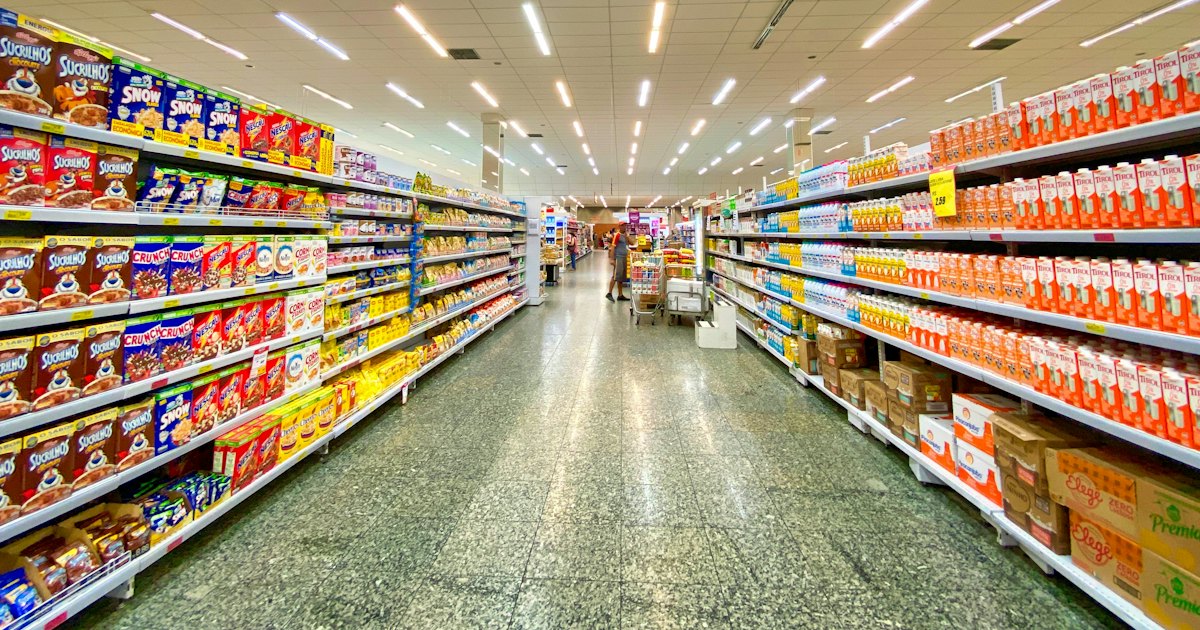
Photo by Nathália Rosa on Unsplash
This article is for general information. Figures and examples are illustrative and can change; check the linked sources before making decisions.
Short answer: to cut your grocery bill without eating worse, do four things: plan meals around what you already have, compare unit prices (per ounce or pound) instead of package prices, waste less food, and try store brands where the quality gap is small. No magic trick, but together they show up on your receipt.
1. Plan before you shop
Spend ten minutes checking your fridge and pantry, planning 4–6 dinners, and writing a list. Shop after eating, and stick to the list, with room for a few deals on things you actually use.
2. Compare unit prices
U.S. stores usually print a unit price on the shelf tag. That's the number that lets you compare sizes and brands.
Example with made-up prices: a 12-ounce bag of pasta for $1.80 costs $0.15 per ounce. A 32-ounce bag for $4.00 costs $0.125 per ounce. The larger bag is cheaper per ounce, but only worth it if you'll use it.
Watch out for "shrinkflation": a sale on a smaller package can still cost more per ounce.
3. Try store brands
For staples like canned goods, pasta, rice, flour, frozen vegetables and dairy, store brands are often cheaper. Keep the ones you like and go back to a national brand where you notice a difference.
4. Waste less food
Throwing away food is throwing away money. Move older items to the front, freeze bread, meat and leftovers you won't eat soon, and turn leftovers into new meals. Many "best by" dates are about quality, not safety: check USDA FSIS and use your judgment, especially with perishable food.
Seasonal, frozen and canned produce can also be good, lower-cost options. Compare per-pound prices.
5. Buy in bulk only when it makes sense
Bulk helps with things you use constantly and that don't spoil. It doesn't help if the food goes bad. Check membership fees, storage space and how fast you'll use it.
Frequently asked questions
How much can I really save?
It depends on where you live and what you eat, so we can't promise a figure. Track your grocery spending for a couple of months before and after changing habits.
Is a warehouse club worth it?
Maybe, if you buy enough to cover the membership and can store it. Our guide to comparing Aldi and Walmart grocery prices has a method you can reuse with any store.