CuriositiesGuide
Why Do We Get Hiccups? What Causes Them and What Actually Helps?
How hiccups happen, common triggers, what the evidence says about home remedies, and when long-lasting hiccups are a reason to talk with a doctor.
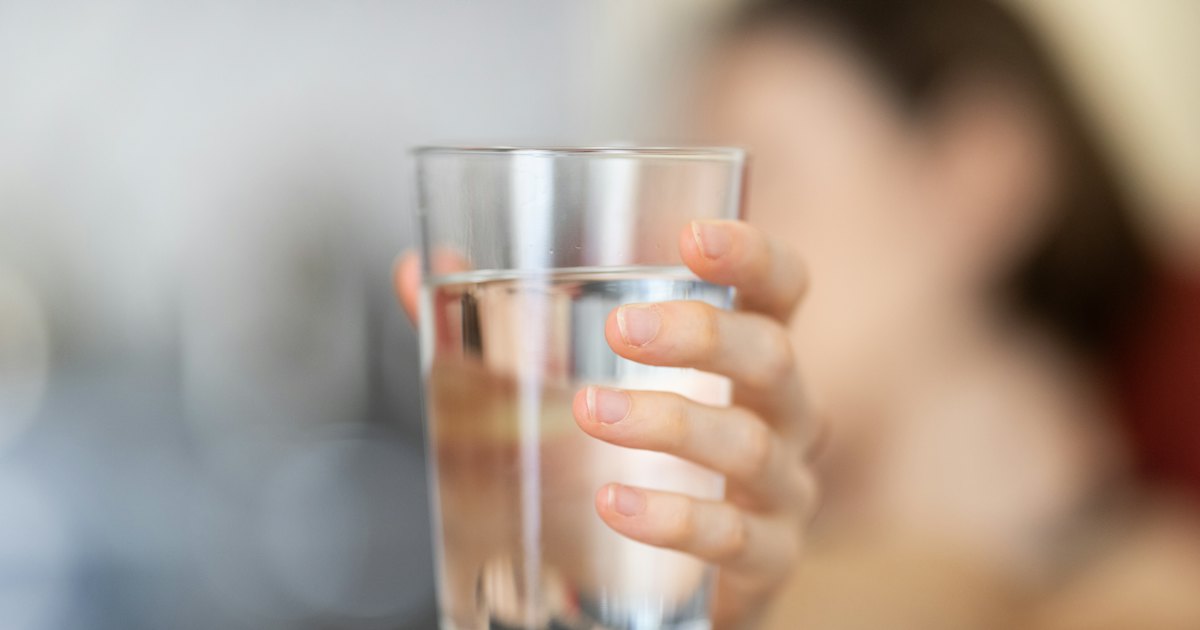
Photo by engin akyurt on Unsplash
This article is for general information only and is not a substitute for professional medical advice. If you are worried about symptoms, talk to a clinician; in an emergency, call 911.
Short answer: a hiccup is an involuntary, sudden contraction of the diaphragm, the muscle that helps you breathe, followed by a quick closing of the vocal cords, which makes the "hic" sound. Most hiccups stop on their own within minutes. Home remedies help some people, but scientific evidence for them is limited. See a doctor if hiccups last more than 48 hours.
Why it happens
When you breathe in, the diaphragm moves down to pull air into your lungs. In a hiccup, it contracts abruptly and the vocal cords snap shut an instant later, cutting off the air and making the sound. Why humans hiccup isn't well understood, and often no specific cause is found.
Common triggers are eating or drinking too fast, carbonated drinks, alcohol, large or spicy meals, sudden temperature changes and strong emotions.
What to do
The UK's National Health Service says hiccups usually last a few minutes and you can wait them out or try some tricks, while noting that they don't work for everyone. It lists breathing into a paper bag (never over your head), sitting forward with your knees to your chest, sipping ice-cold water, swallowing a little sugar, biting a lemon and holding your breath briefly.
They're generally harmless, but we're not aware of strong clinical trials proving that any of them reliably works. If one works for you, great.
While you have hiccups, the NHS suggests avoiding alcohol, fizzy or hot drinks, spicy food, eating quickly, chewing gum and smoking. Skip risky "cures," like frightening someone or holding your breath for a long time.
When to see a doctor
Contact a doctor if hiccups last more than 48 hours, come back often and interfere with eating, sleeping or talking, come with chest pain, vomiting or trouble swallowing or breathing, or started after a new medication. Don't self-medicate.
Frequently asked questions
Why do I get hiccups after eating fast?
Eating fast makes you swallow air and can stretch the stomach, which may irritate the diaphragm.
Does scaring someone stop hiccups?
It's a popular belief, but there's no reliable evidence that it works.
Keep reading
More on everyday body reactions: